BioAcyl Corp

BioAcyl Corp |
|
 |
 |
 |
|
Chavda, V. P., Feehan, J., & Apostolopoulos, V. (2024). Inflammation: The cause of all diseases. Cells, 13(1906). Added by: Dr. Enrique Feoli (30/07/2025, 15:26) Last edited by: Dr. Enrique Feoli (02/08/2025, 18:47) |
 |
| Resource type: Journal Article Published DOI: 10.3390/cells13221906 ID no. (ISBN etc.): 2073-4409 BibTeX citation key: Chavda2024 View all bibliographic details  |
Categories: BioAcyl Corp, BioAcyl Corp Subcategories: inflammation, Peer review Creators: Apostolopoulos, Chavda, Feehan Collection: Cells |
Views: 33/116
|
| Abstract |
|
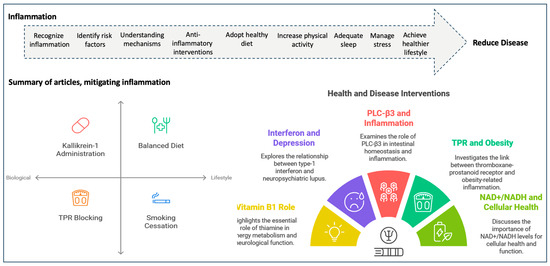
Inflammation is an essential biological process that serves as the body’s first line of defence against harmful stimuli, including pathogens, damaged cells, and irritants. While acute inflammation is crucial for healing and recovery, chronic inflammation can lead to a variety of diseases, including cancer, cardiovascular disorders, and autoimmune conditions [1,2,3]. The recent Special Issue, ‘Inflammation: The cause of all diseases 2.0’ [4], along with the participating journals—Cells, Diseases, Healthcare, International Journal of Molecular Sciences, and Vaccines—sheds light on the complex interplay between inflammation and disease mechanisms, providing valuable insights into potential therapeutic strategies targeting inflammatory pathways [5,6,7,8,9,10,11,12,13,14,15,16]. Inflammation is characterized by a series of physiological responses involving immune cells, blood vessels, and molecular and cellular mediators. When cells are injured due to external or internal stimuli, an inflammatory response is initiated involving the secretion of pro-inflammatory cytokines, chemokines, and other signalling molecules [17]. This response aims to eliminate the initial cause of injury, remove damaged cells, and initiate the repair process. However, when inflammation becomes dysregulated or persists beyond its intended duration, it can contribute to chronic tissue damage, chronic inflammation, and the development of chronic diseases such as type-2 diabetes (T2D) [5,18], cancer [19,20], chronic obstructive pulmonary disease (COPD) [21], and cardiovascular diseases (CVD) [22]. The articles featured in this Special Issue explore various aspects of inflammation, including its molecular mechanisms and implications for different pathological conditions (Figure 1).
 Added by: Dr. Enrique Feoli Last edited by: Dr. Enrique Feoli |